
Five years ago, sports marketing was dominated by logo placement, television spots, and visibility at scale.
Today, the landscape looks entirely different.
In 2026, the most effective brands are no longer chasing impressions alone — they’re investing in connection, community, storytelling, and experiences people genuinely want to be part of.
The shift is happening everywhere. From athlete-led content and cause-driven campaigns to immersive live experiences and creator collaborations, the sports industry is evolving into something far more personal and culturally integrated than traditional sponsorship models ever allowed.
And perhaps the biggest sign of that evolution came recently from Nike. (https://www.nike.com/)
Ahead of the 2026 World Cup rollout, Nike launched a massive teaser campaign bringing together athletes, musicians, creators, and cultural figures including LeBron James, Cristiano Ronaldo, Serena Williams, Kylian Mbappé, Kim Kardashian, Travis Scott, and Lisa — proving that modern sports marketing now lives at the intersection of sport, entertainment, fashion, music, and culture. (Reddit)
That campaign wasn’t just about football.
It was about relevance.
Athletes Are No Longer Just Endorsers. They’re Media Brands.
One of the biggest shifts happening in sports marketing is the rise of the athlete as storyteller.
Fans today don’t just want highlights. They want personality, perspective, behind-the-scenes access, and authenticity. They want to know what athletes care about off the field just as much as what they accomplish on it.
That’s why athlete-led storytelling is outperforming many traditional ad campaigns.
Whether it’s podcasts, documentary-style content, philanthropy, business ventures, or candid social media moments, audiences are connecting with athletes as people — not just performers.
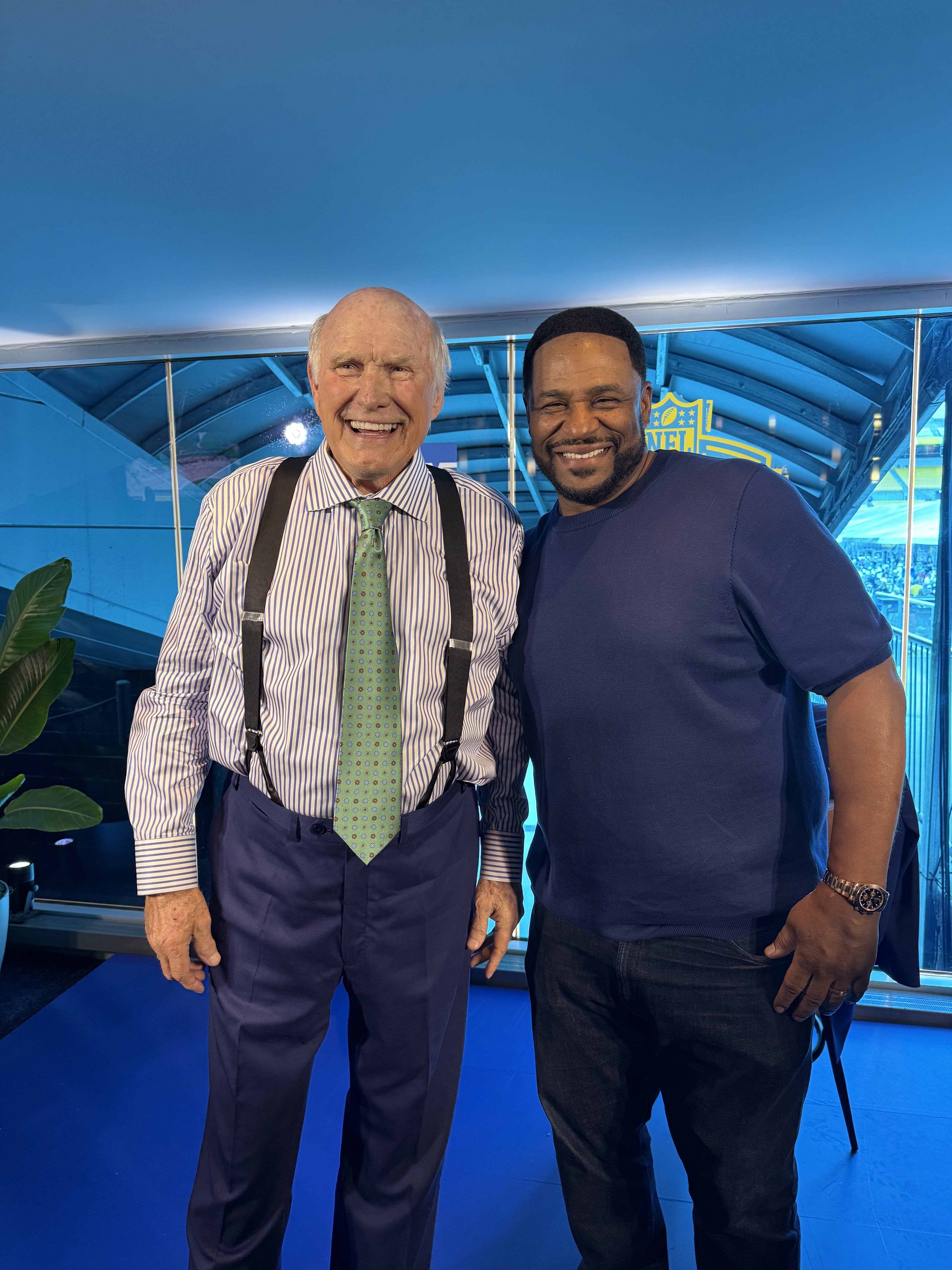
We’ve seen this firsthand through our work with athletes like Jerome Bettis and Merril Hoge.
The moments that resonate most often aren’t the overly polished ones.
They’re the conversations at charity golf outings. The stories shared during fundraising events. The emotional connection between athletes, fans, sponsors, and causes that matter to them.
Because today, authenticity travels farther than perfection.
And in a digital environment increasingly saturated with AI-generated content and endless advertising, genuine human connection has become one of the most valuable assets a brand can have.
Cause Marketing Has Become a Core Strategy
Consumers are paying closer attention to what brands stand for.
Especially younger audiences.
Modern audiences expect organizations, athletes, and brands to contribute to something bigger than themselves. As a result, “cause” marketing is no longer viewed as a seasonal campaign or PR add-on, it’s becoming a central part of long-term brand identity.
We’re seeing brands increasingly invest in:
- youth sports initiatives
- mental health advocacy
- brain health research
- cancer awareness
- literacy programs
- community-based partnerships
Organizations like the Chuck Noll Foundation are helping drive meaningful conversations around concussion research and long-term athlete health, while partnerships tied to nonprofit events continue creating deeper emotional engagement between brands and communities.
The reason is simple:
People remember brands that make them feel connected to something meaningful.
Live Experiences Are More Valuable Than Ever
Ironically, as the world becomes more digital, in-person experiences are becoming even more important.
People are overwhelmed with content.
What cuts through now are experiences that create real interaction:
- charity golf outings
- intimate networking events
- athlete hospitality experiences
- community activations
- live storytelling moments
The most successful sports events today are no longer transactional.
They’re relational.
Brands are investing more heavily in experiences because they understand something important:
people may forget an advertisement, but they remember how an event made them feel.
That’s why experiential marketing continues to grow across sports, entertainment, and nonprofit spaces alike.
The Era of Generic Sponsorship Packages Is Fading
The traditional sponsorship formula used to be fairly straightforward:
place a logo on signage, sponsor a table, run a few advertisements, and call it a partnership.
That model is rapidly changing.
Today’s sponsors want integration, not placement.
They want:
- branded storytelling
- athlete access
- social content
- digital amplification
- community alignment
- year-round engagement
- experiential activations
Brands no longer want to simply “show up” at events.
They want to become part of the experience itself.
That’s why the most successful partnerships today feel organic, collaborative, and culturally relevant rather than forced or overly corporate.
Community Is Becoming the New KPI
For years, sports marketing focused heavily on reach:
How many people saw it?
How many impressions did it generate?
Now, brands are asking different questions:
- Did people engage?
- Did they return?
- Did they feel connected?
- Did the experience build trust?
- Did it create community?
Because in 2026, community has become one of the most valuable forms of marketing currency.
The strongest brands in sports today aren’t necessarily the loudest.
They’re the ones building loyal ecosystems around shared experiences, values, and relationships.
That’s why micro-communities, regional fan bases, recurring events, and mission-driven partnerships are becoming increasingly powerful across the sports industry.
The Future of Sports Marketing
The future of sports marketing isn’t just about advertising.
It’s about storytelling.
It’s about emotion.
It’s about building experiences and communities people genuinely want to be part of.
The brands making the biggest impact in 2026 understand that visibility alone is no longer enough. Modern audiences are looking for authenticity, purpose, access, and connection.
And the organizations willing to invest in those things won’t just capture attention.
They’ll build loyalty that lasts.